 New Health Guide
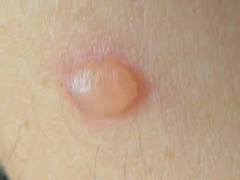
Bug bites can be quite annoying, but in most cases they are harmless. While most bug bites or stings can cause swelling, redness, pain or itching in the area that is affected, others can result in a bite blister. There are a variety of types of bite blisters and these can often be addressed right away to minimize your discomfort and the risk of additional symptoms.
|
Types |
Descriptions |
|---|---|
|
Insect Bites |
People who are sensitive to insect bites can develop fluid filled blisters called bullae or circular areas filled with fluid around the bite called weals. |
|
Spider Bites |
One to two days after being bitten by a spider a pustule or blister can form on top of the area. In a small number of cases a bite from a brown recluse spider can cause swelling or blistering that leads to the development of a dark scab called an eschar that covers the blister for around a week after you have been bitten. It is important to have such bites inspected by your doctor as these ulcerated areas may continue to grow if they are not treated. |
|
Bee Stings |
Bees, hornets, wasps or yellow jackets cause a painful sting that is commonly associated with these types of reactions. Wasps, hornets or bee stings will cause swelling, redness, itching and warmth immediately after the incident. You may also experience a blister in this area |
|
Tick Bites |
Tick bites can cause a red lump to appear where you were bitten but this is not usually painful. If the bite is severe you may experience bruising, itchiness, swelling or blistering near the bite area. |
|
Mites |
Mites cause bumps to appear on the skin which may be accompanied by blistering or itchiness. |
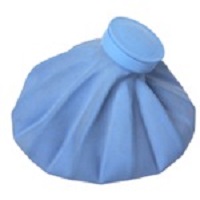 You should always avoid scratching at a bug bite. This will increase the itchiness and swelling in this area. This can also cause the blister to rupture which will cause pain and increase your risk of developing a secondary infection.
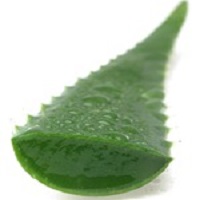 Aloe Vera can be applied three times a day to bug bites to provide relief of your symptoms.
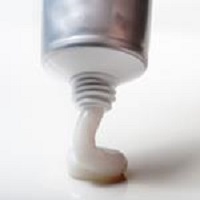 Create a solution of hydrogen peroxide and water at a 1:1 ratio and apply it to your bug bites with a cotton ball. Gently wash this solution away with cold water after a few minutes. Cover the area with antiseptic ointment afterward for the best results.
 Working to keep your home free of bugs will help you avoid excessive bug bites. Keep your upholstered furniture and bedding exposed to sunlight and clean out travel bags to avoid a bed bug infestation. Wood furniture should be dusted at least three times a week to prevent bugs.
 Secondary bacterial infections can be caused by bug bites. Any serious reactions to a bug bite should be investigated by your doctor a quickly as possible to prevent a potentially dangerous reaction. You should also consult your doctor about any herbal remedies you have been using to treat bug bites as these may have unwanted side effects that could be damaging to your health.
